
AI Doesn't Run Itself: What I Took Away from Futurium in Berlin
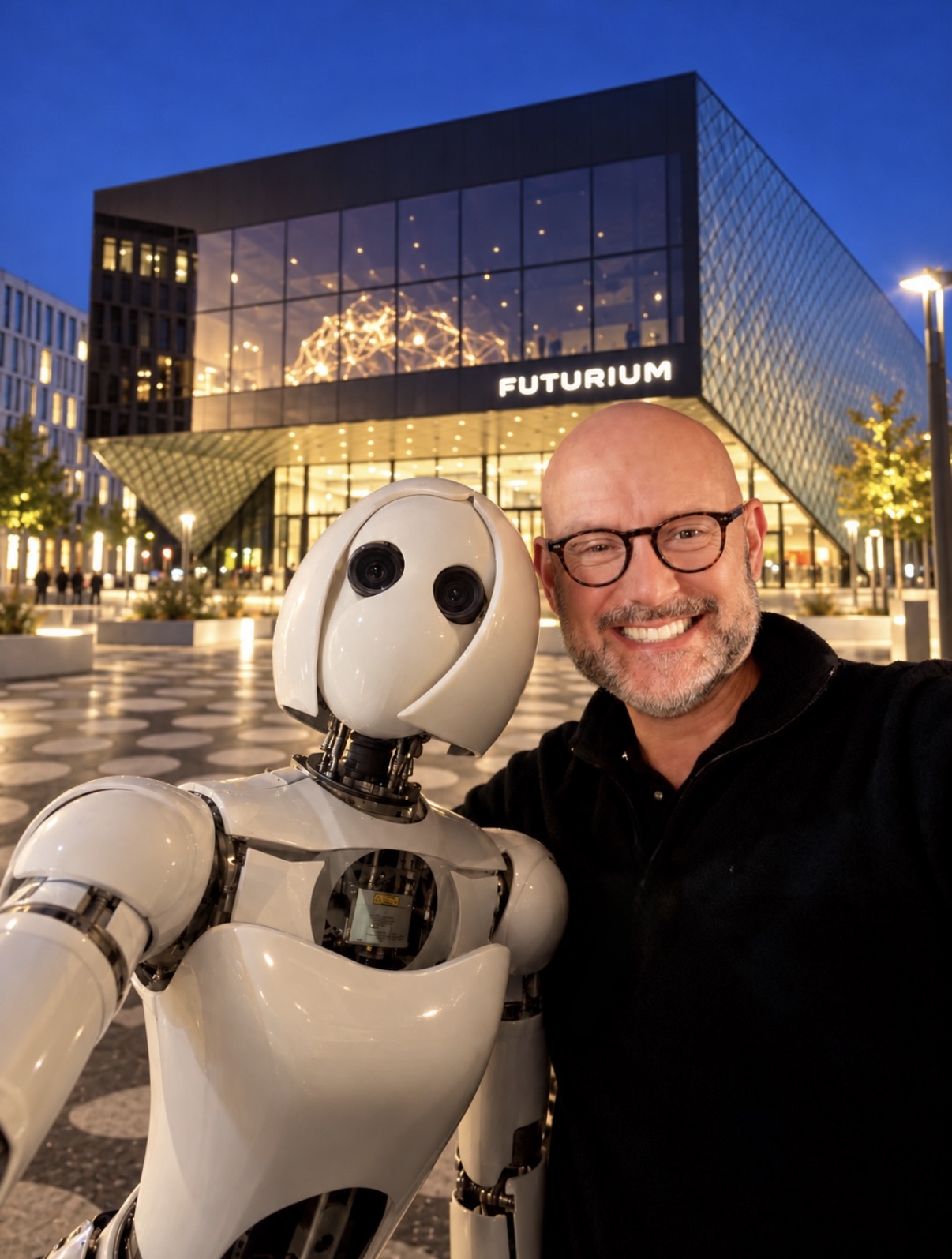
On Monday I spent an afternoon at Futurium in Berlin, a museum that asks visitors how they want to live in the future, and the exhibit that stuck with me most wasn't a gadget. It was a reminder of the people behind the technology we so often talk about as if it runs itself.
That matters now because the story many of us hear about AI is one of effortless automation, systems that teach themselves and need less from us every month. Futurium's own description of its data city exhibit takes that idea head on, pointing out that millions of people around the world make AI possible in the first place.
The people behind the screen
So much of AI's workforce is invisible to those of us who use it. The exhibition points to the people who help train these systems, extract the raw materials that go into the hardware and deal with the electronic waste at the other end, and it raises fair questions about what data centres cost the environment. None of this is new to me, it runs through much of what I wrote in Greener Intelligence, but seeing it laid out in a museum, in front of families and school groups, gave it a different weight.
For leaders, the practical point is that responsible AI doesn't stop at your own policy document. If you're choosing a tool, it's reasonable to ask where its energy comes from, how it was trained and who did the work. You won't always get a clean answer, but asking is part of governing what matters, and your clients, staff and regulators will increasingly ask the same questions of you.
When convenience becomes dependence
The exhibit I lingered at longest was Between Usefulness and Longing, which features a model of a person crawling into a smartphone. It looks at AI as companion, adviser and confidant, and asks what we gain, and what we might lose, as it changes how we communicate, what information we trust and how we make decisions. Deepfakes belong in the same conversation, because once it's hard to tell real from synthetic, trust becomes the scarce thing.
I'm a big fan of AI as a thinking partner, coach and sounding board, it's the idea behind AI Ate My Hamster, so I'm not arguing for keeping it at arm's length. But there's a real difference between a tool that sharpens your judgement and one that quietly replaces it. A useful test is to notice what you've stopped doing for yourself lately, and ask whether you chose that or simply drifted into it.
Jobs are more nuanced than the headlines
In its workplace exhibit, Futurium makes the point that robots are precise and never tire, but aren't truly creative or flexible. What struck me was the framing. Machines take over certain tasks, new occupations appear and existing ones change shape, which is a far more interesting question than counting how many jobs AI will remove. Looking at the tasks inside a role usually tells you more than looking at the role as a whole, because that's where the real choices sit about what to automate, what to augment and what to keep firmly human.
The common thread
Across everything I tagged on my wristband, from lab-grown food to transport networks cutting through nature, one idea kept coming back: technology doesn't arrive with its consequences already decided. What happens depends on the choices people make about how it's built, used and governed. So when the next big AI announcement lands, the better question may be less about what it can do and more about who decides how it's used, and whether you're in that room.
Further reading
-
Futurium Berlin, Visit Berlin: a short official overview of the museum and its three thinking rooms. https://www.visitberlin.de/en/node/1665539
-
Datacenters as core infrastructure of urban AI, Nature: a research perspective on the labour and material costs hidden in data centres. https://www.nature.com/articles/s44284-026-00421-3 (may sit behind a login)
-
Digging for intelligence, Elaia SustAIned Future: an independent analysis of the minerals AI hardware depends on. https://elaiasustainedfuture.substack.com/p/digging-for-intelligence
Frequently asked questions
What invisible human effort goes into making AI work?
Many people view AI as an automated system that runs itself, but millions of workers make it possible. The invisible workforce behind AI includes people who train the systems, extract raw materials needed for hardware, manage electronic waste, and operate data centres. Responsible AI governance requires acknowledging these environmental and human costs.
How should business leaders approach responsible AI tool selection?
Leaders must look beyond their internal policy documents when selecting AI tools. Responsible governance involves actively asking vendors where a tool's energy comes from, how the system was trained, and who performed the underlying work. Clients, employees, and regulators will increasingly expect transparency and accountability regarding these operational choices.
What is the risk of becoming overly dependent on AI tools?
While AI can act as a useful thinking partner, there is a key difference between a tool that sharpens human judgement and one that quietly replaces it. As AI acts as an adviser or companion, trust becomes scarce. People risk drifting into dependence rather than intentionally choosing to delegate specific decisions.
How does AI affect jobs according to the Futurium exhibition?
Rather than simply counting job losses, the exhibition shows that AI alters roles by automating specific tasks. While machines offer precision and endurance, they lack genuine human creativity and flexibility. Examining individual tasks within a role helps organisations decide what to automate, what to augment, and what to keep human.
Who ultimately determines the consequences of AI technology?
Technology does not arrive with its consequences already decided by default. The impact of AI depends entirely on human choices regarding how it is designed, deployed, and governed. When evaluating new AI developments, the crucial question is who makes the decisions about its use and who is involved in that process.
You may also be interested in

The Three-Day Lag: Why Your Brain Doesn’t Believe You’re on Holiday Yet
It took me a few days on a family holiday to actually feel like I was on one. The laptop was shut, the out of office was on, and some part of my brain was still running the same background processes it runs at my desk. That got me curious about why switching off takes longer than we think, and what the research says actually happens once it does.
Your Biggest AI Security Risk May Be the Agent Nobody Told You About
Approved doesn’t mean safe. AI agents can now act for your business, not just answer questions. Here are the four types to know and five controls to govern them, including the ones nobody told you about.
Never miss an article
Get new articles by email
Whenever I publish something new on AI, cybersecurity and cyber resilience, I'll send you a link. No newsletters, no selling, and one click to stop at any time.
Your address is used only to send you new articles. See the privacy notice.