
Do you think you are an AI Enabler or an AI Blocker in your organisation?
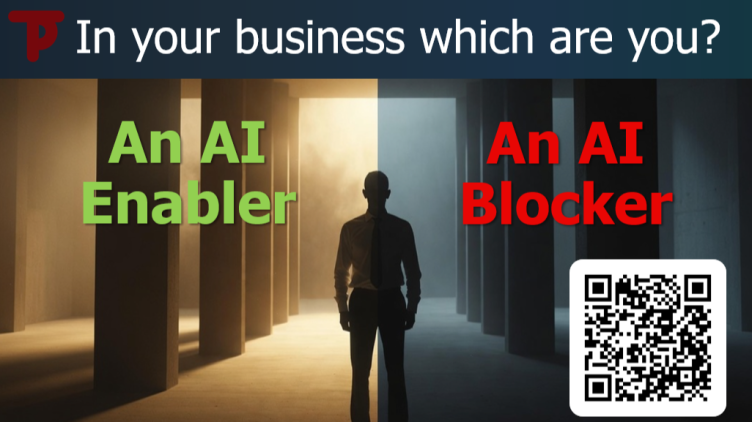
Do you think you are an AI Enabler or an AI Blocker in your organisation?
Most business leaders I speak to will tell you they support AI adoption in their organisation, and most of them genuinely mean it. The problem is that support and enablement aren't the same thing, and blocking doesn't always look like blocking. Sometimes it looks like governance. Sometimes it looks like caution. Sometimes, if we're honest, it looks like leadership.
In my AI masterclasses I've been having this conversation a lot recently, and the pattern I keep seeing is that the gap between what leaders believe about their role in AI adoption and what their teams actually experience is often significant, and quietly costly.
So I've written an article that works through five honest questions designed to help you self-diagnose. Not how you'd answer them in a board meeting, but how you'd answer them if your most capable people were actually in the room.
I've also built a free two-minute diagnostic tool alongside it that gives you a straight read on where you sit. Five questions, nothing saved or shared, and a clear output at the end.
Both are in the link below. My suggestion is to take the diagnostic before you read the article, it'll land differently if you do.
https://thoughtprovoked.co.uk/guides/ai-enabler-or-blocker
Frequently asked questions
What is the difference between an AI enabler and an AI blocker?
While many business leaders genuinely support AI adoption, supporting AI is not the same as enabling it. AI blocking does not always appear obvious: it often presents itself as governance, caution, or even standard leadership. An enabler actively removes obstacles, whereas a blocker, often unintentionally, creates barriers that hinder their team's ability to effectively use AI.
Why might leaders misjudge their role in AI adoption?
Leaders often believe they are fully supporting AI adoption, but a significant gap exists between their beliefs and what their teams actually experience. This disconnect occurs because leaders may view strict oversight or caution as responsible management, while their teams experience these actions as friction and delays. This gap can quietly cost organisations time, momentum, and capability.
How can leaders determine if they are enabling or blocking AI?
Leaders can self-diagnose their impact by answering five honest questions about how their actions affect their most capable people. Additionally, they can use a free two-minute diagnostic tool designed to evaluate their stance. Taking this assessment helps leaders bridge the gap between how they view their leadership style and how their teams genuinely experience it.
How does the free AI diagnostic tool work?
The free diagnostic tool takes just two minutes to complete and consists of five straightforward questions. It provides a clear, immediate read on whether a leader is enabling or blocking AI in their organisation. The tool is completely private, meaning no answers are saved or shared, giving leaders an honest assessment before they read the full article.
Can governance and caution actually act as AI blockers?
Yes, governance and caution can act as AI blockers. Blocking does not always look like outright rejection: it frequently disguises itself as necessary caution, risk management, governance, or traditional leadership. While leaders may feel they are acting responsibly, these protective measures can create hidden barriers that slow down adoption and frustrate their teams.
You may also be interested in
Should Your IT Support Company Block the Claude AI Microsoft 365 Connector?
Why do IT support companies keep blocking the Claude AI Microsoft 365 connector over data security fears? Here's what it actually accesses, why some MSPs default to no, and how to make a governed decision instead.
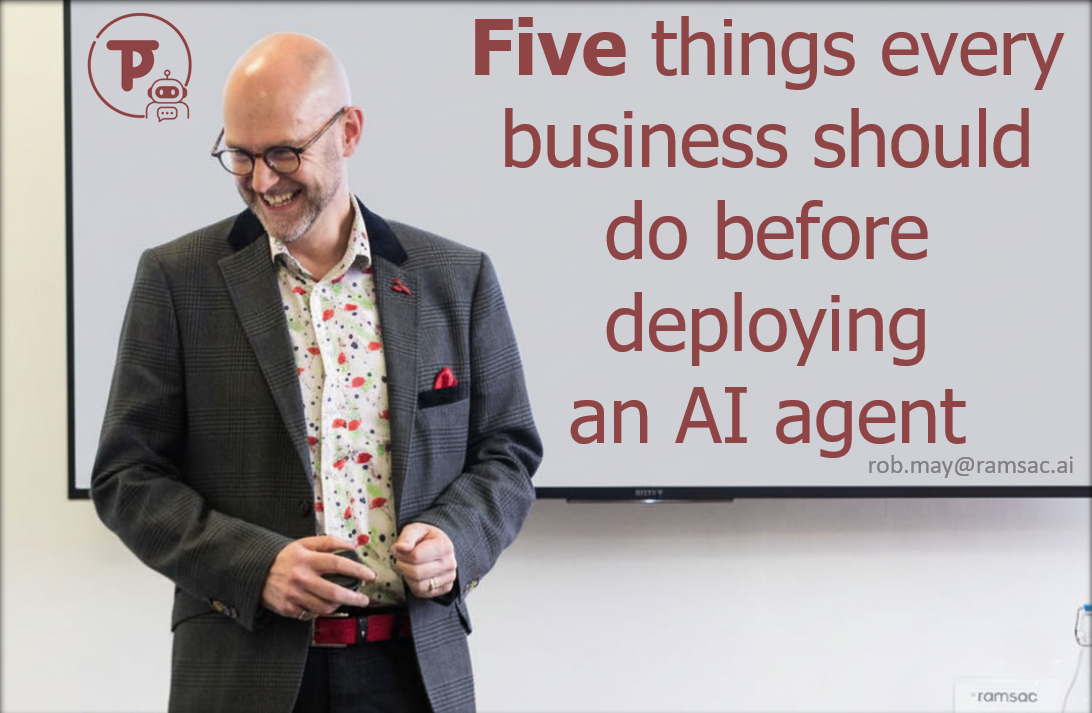
Five things every business should do before deploying an AI agent
Building AI agents and workflows? Here are five things every business should do before deploying, drawn from the world's first AI governance standard.
Never miss an article
Get new articles by email
Whenever I publish something new on AI, cybersecurity and cyber resilience, I'll send you a link. No newsletters, no selling, and one click to stop at any time.
Your address is used only to send you new articles. See the privacy notice.