

The problem with AI isn't AI
There's a conversation I keep having, in slightly different guises, at numerous events I speak at. Someone tells me AI is overhyped, they tried it, it gave them something generic, something a bit wrong, something that sounded like it was written by a committee with no opinions. So, they concluded the technology isn't there yet, or it's not for their industry, or it's clever but useless for anything that actually matters in their business.
I used to nod politely. I don't do that anymore, because I think we've been asking the wrong question for two years.
We've spent this entire period arguing about whether AI is smart enough. Smart enough to write properly, smart enough to reason, smart enough to be trusted with something important. It's a reasonable question, and plenty of clever people are still working on the answer. But while we've been arguing about the intelligence of the machine, almost nobody has been asking the more useful question, which is whether we're briefing it well enough.
Here's a small experiment you can run for yourself.
Take the exact request that gave you a disappointing answer last week, and imagine handing that same request, with no more detail than you gave the AI, to a brand-new employee on their first day. No context on your business. No sense of your audience. No idea what "good" looks like to you. No knowledge of what you've already tried, what you're worried about, or what would make this genuinely useful rather than technically correct. Would you expect a good answer back? I wouldn't. I'd expect exactly what most people get from AI: something plausible, something safe, something generic enough to be almost right for everyone and properly right for no one.
That's not a criticism of the new employee. That's what happens when you skip the briefing.
We would never dream of treating a new hire this way, and yet we do it constantly with AI, because the interface tricks us. It looks like a search box. It answers instantly. It sounds confident. So we type a short question the way we'd type a search query, and we're surprised when the response feels like it came from someone who knows nothing about us, because that's exactly what happened.
The people getting real value from AI aren't the ones with access to a smarter model. Most of them are using exactly the same tools as everyone else. The difference is that they've stopped treating AI like a vending machine, put money in, get snack out, and started treating it more like a working relationship. They explain the situation properly. They say who the output is for. They set out what they've already tried and why it didn't work. They ask the tool to question them before it answers, rather than accepting the first confident paragraph it produces. They treat the reply as a first draft to interrogate, not a verdict to accept.
None of that is complicated. Almost none of it requires technical skill. It requires the same thing that's always separated useful delegation from disappointing delegation, whether the person or thing on the other end is human or artificial: clarity about what you actually want, honesty about the constraints, and the willingness to stay involved rather than throwing the task over the wall and hoping.
I think this matters more than most of the AI commentary going on right now, because it changes where the responsibility sits. If AI is the problem, there's nothing to do but wait for the next model and hope it fixes things for you. If the briefing is the problem, there's something you can start doing differently this afternoon, with the tools already sitting on your desktop.
There's a phrase I keep coming back to, because it's done more for how I use AI than any feature update has. Artificial intelligence is the technology. What you actually get out of it, the useful, specific, genuinely helpful version, only shows up once you direct it with purpose. I've started calling that second thing assistive intelligence, because it's a completely different experience from the generic one most people are settling for, and the gap between them isn't the model. It's the ask.
If you want to go deeper on this.
I've just written a book built entirely around that idea, twenty different working relationships you can set up with AI, from a writing coach to a moral mirror, each one built on a properly briefed role rather than a vague question. If any of this has struck a nerve, AI Ate My Hamster is now live on Amazon and in all good book shops. But you don't need the book to test the theory. You need one real task, one honest brief, and one better question than the one you asked last time.
Try it before you decide the machine is the problem!
Frequently asked questions
Why do people often get generic or disappointing results from AI?
People often get generic AI responses because they treat the interface like a search box and skip proper briefing. Without context about your business, audience, and goals, the AI produces safe, plausible answers. It acts like a new employee given a vague task with no guidance, resulting in work that is technically correct but practically useless.
How should you treat AI to get better results?
Rather than treating AI like a vending machine where you put money in and get a snack out, you should treat it like a working relationship. Explain the situation fully, specify your audience, share what you have already tried, ask it to question you before answering, and treat its response as a first draft to interrogate.
What is the difference between artificial intelligence and assistive intelligence?
Artificial intelligence refers to the underlying technology itself. Assistive intelligence is what you experience when you direct that technology with purpose, clarity, and a proper brief. The gap between generic results and genuinely helpful outcomes is not the capability of the AI model, but the quality of the prompt and direction you provide.
Do you need technical skills or a smarter AI model to get real value?
No, getting real value from AI does not require technical skills or access to a smarter model. Most successful users use the same tools as everyone else. What is required is clarity about what you want, honesty about constraints, and a willingness to stay involved in the process rather than expecting the machine to fix everything.
What is the main idea behind the book AI Ate My Hamster?
The book, AI Ate My Hamster, is built around the concept of establishing twenty different working relationships with AI. Rather than relying on vague questions, it details how to set up properly briefed roles, ranging from a writing coach to a moral mirror, to get useful, specific, and genuinely helpful outputs from the technology.
You may also be interested in
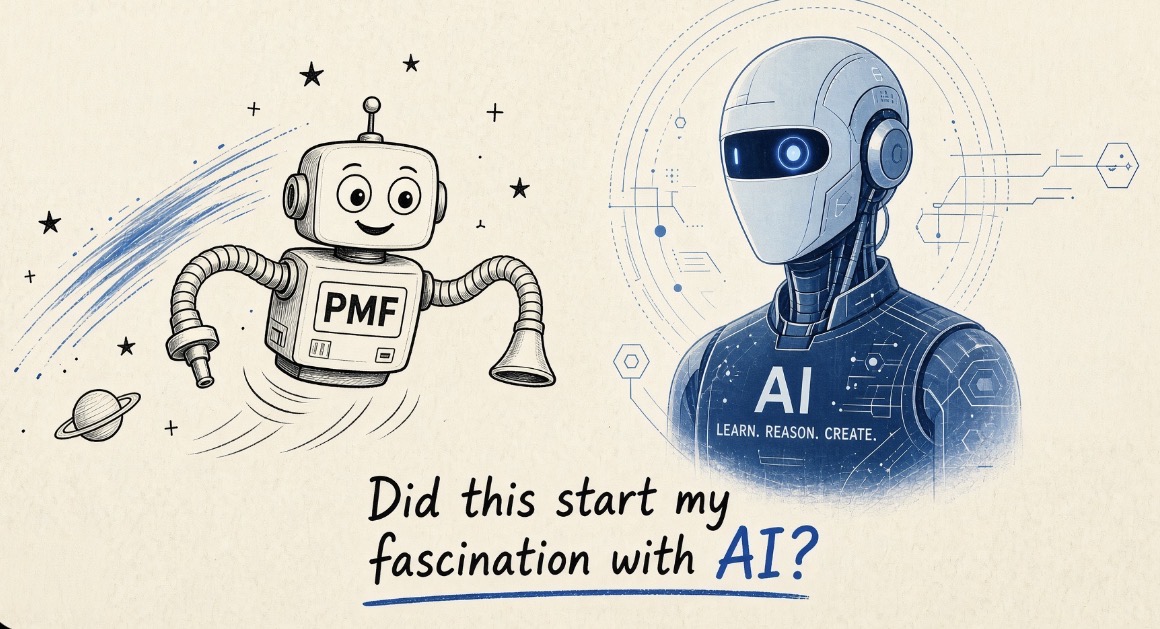
Did a French-speaking robot start my fascination with AI?
PMF was an extraterrestrial robot who arrived in France on a flying saucer, hovered rather than walked and helped pupils learn French. Very 1980s. Very low-tech by today’s standards. But clearly memorable and it got me wondering about just how much little things in our school days can influence our future.

What did the task you just automated used to teach the person doing it?
I ask business owners how much time AI has saved their team, and they always have a number ready. I ask what the task used to teach the person doing it, and the room usually goes quiet.
Never miss an article
Get new articles by email
Whenever I publish something new on AI, cybersecurity and cyber resilience, I'll send you a link. No newsletters, no selling, and one click to stop at any time.
Your address is used only to send you new articles. See the privacy notice.